One day is enough for an introduction, two days is the best balance for most first visits, and three days suits a slower trip with wine, a walk or scenic drive and time in both Pinhão and Régua.
One day: keep it simple
With one day, choose one type of transport and one central area. A guided trip is the easiest way to combine wineries and views. The train to Pinhão is the best choice if you want to travel on your own.
Use the separate one-day itinerary for timings. Use this guide to decide whether another night is worth it.
Two days without a car
Base yourself in Pinhão for both nights. On day one, take the train from Porto, settle in, walk the centre and keep one reserved tasting. On day two, add a short cruise and a second wine experience that includes a confirmed transfer if it is outside town.
Keep dinner reservations close to the accommodation and check the final train only for your departure day. Avoid changing hotels: luggage and transfers consume too much of a two-day visit.
- Day 1: train, Pinhão orientation and one tasting
- Day 2: short cruise, lunch and one arranged wine visit
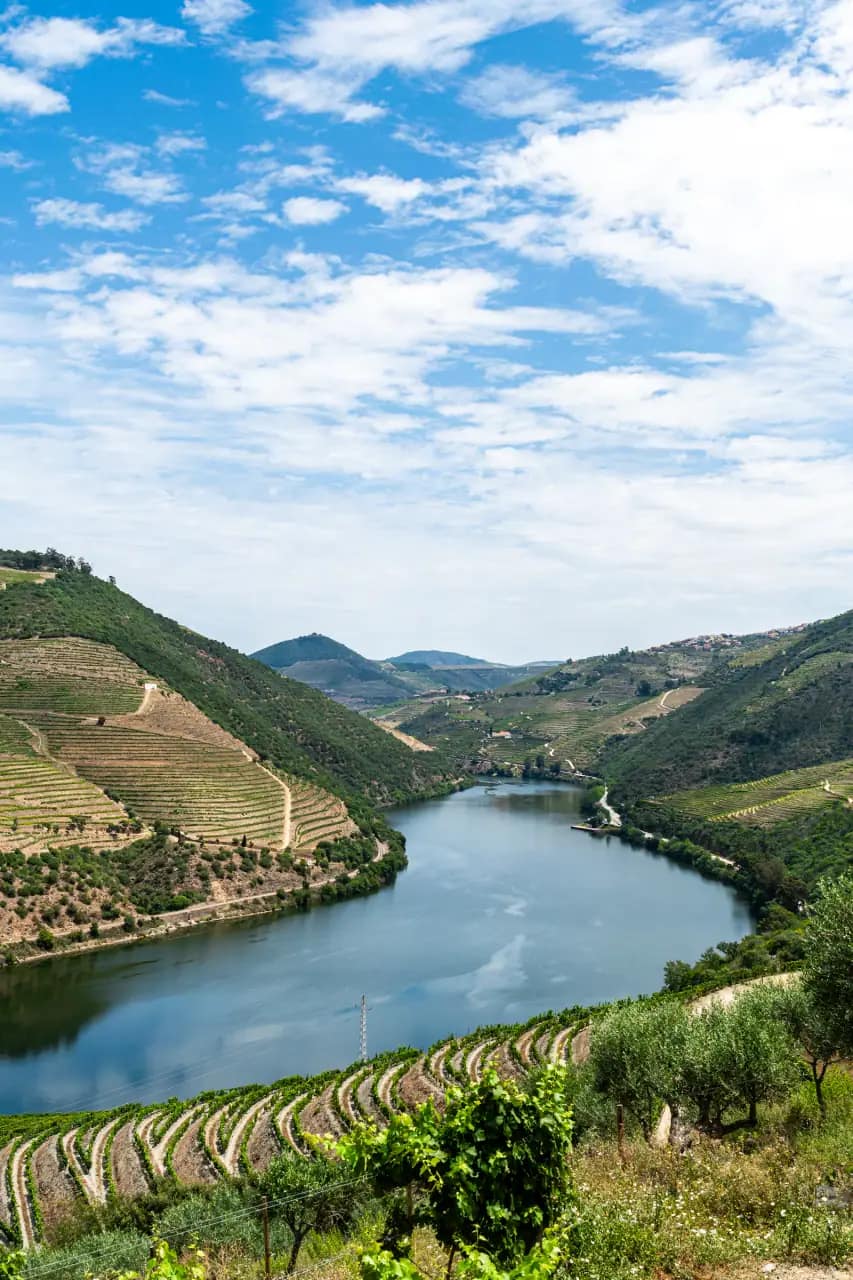
Two days with a car
Use one base around Pinhão or Régua. Spend the first day on a compact winery route with a designated driver, and use the second for one established viewpoint, a town or museum and a slow lunch.
Do not use the car to maximise tastings. It is valuable for access and viewpoints; a guided wine day remains the safer choice if nobody wants to abstain.
Three days without a car
Keep Pinhão as the main base and give each day one purpose. Use arrival day for the town and station, the middle day for a pre-arranged wine experience and river activity, and the final morning for a gentle walk or train stop in Régua before returning to Porto.
A serious hike may still require a guide or transfer. Confirm the route and do not assume the vineyard slopes above town form a public trail network.
Three days with a car
Use day one for arrival and a tasting in the central valley. On day two, follow a wine route with a driver or someone who will not drink. Keep day three for a viewpoint, village or official walking route. Stay in the same hotel unless you plan to continue east.
A remote quinta works well when dinner and transport are included. Otherwise, stay in a town and drive out during daylight.
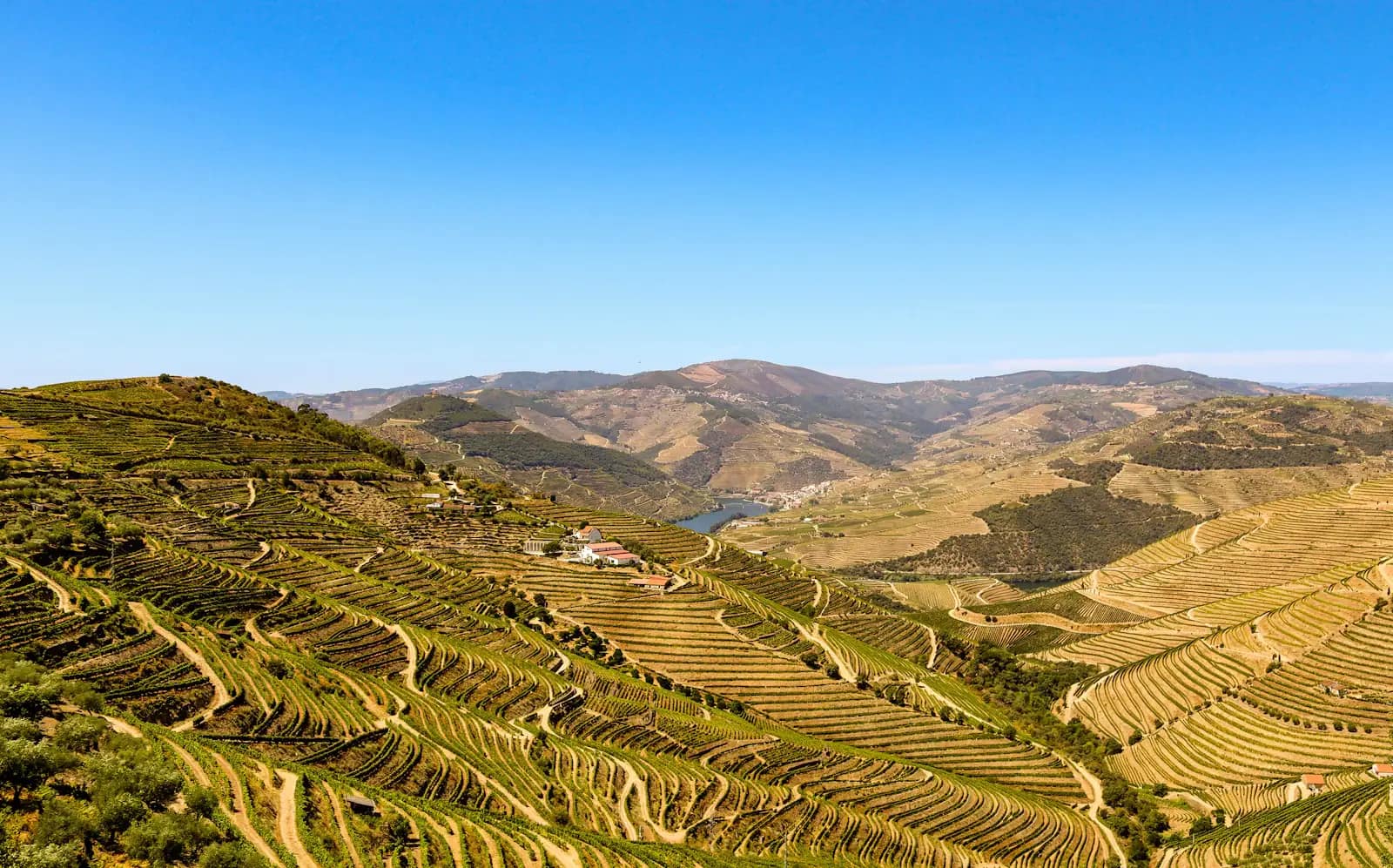
Should you change hotels?
For two or three days, usually no. Check-in, check-out and slow road transfers remove the flexibility you came to gain. Change base only when the itinerary moves clearly from the central valley towards the Douro Superior or another region.
Choose Pinhão for compact scenery and car-free ease, Régua for services and connections, or a wine estate for an experience-led stay with meals and transport planned.
Match the stay to the season
Two days create useful flexibility when heat, rain or reduced winter schedules affect the plan. Three days make more sense when hiking, pool time or long meals are priorities.
Reserve fewer anchors than days: accommodation, one key wine visit and any limited transport. Let the remaining choices follow current conditions and your energy.
Frequently asked questions
Is one day enough for the Douro Valley?
Yes for a focused introduction, but an overnight stay gives a much calmer experience.
Where should I stay for two nights?
Pinhão is convenient for a first car-free visit; a quinta suits travellers with arranged transport who want quiet scenery.
Should I change hotels within the valley?
Usually not for a short stay. One base reduces packing and slow road transfers.
Our pick
Book a Douro Valley experience
 1 / 3
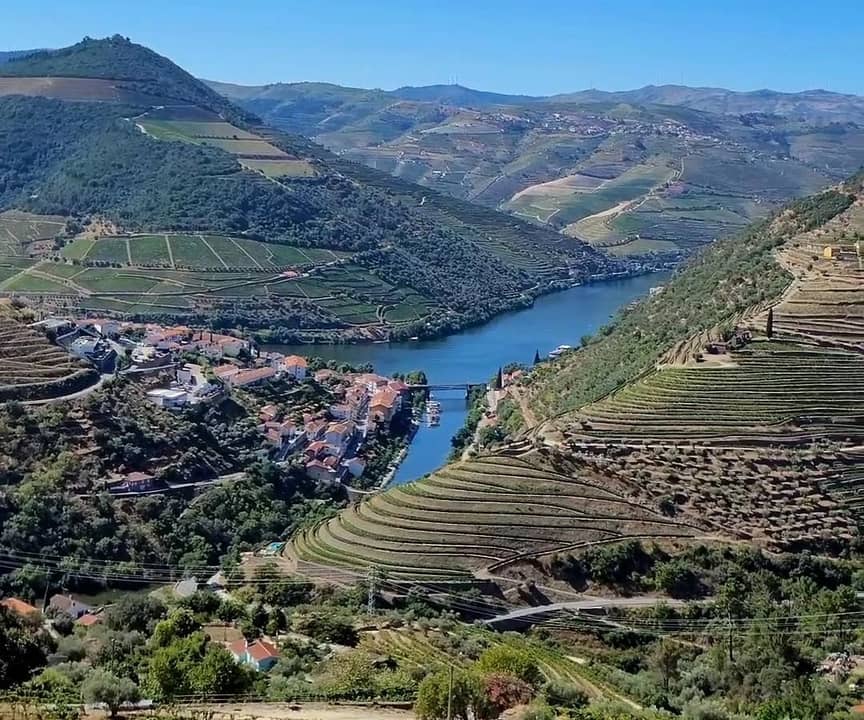
1 / 3From Porto: Douro Valley with Boat Tour, Wine Tasting & Lunch
Wine experience. Duration: 7–10 hours. Departure: Porto.
Price checked on 3 September 2026. Confirm the live total for your date.
Fresh from the valley