Hiking in the Douro Valley needs more planning than many visitors expect. Choose a signed or official route, check access shortly before walking, start early in warm weather and never assume a vineyard track is public.
Wine valley or Douro International?
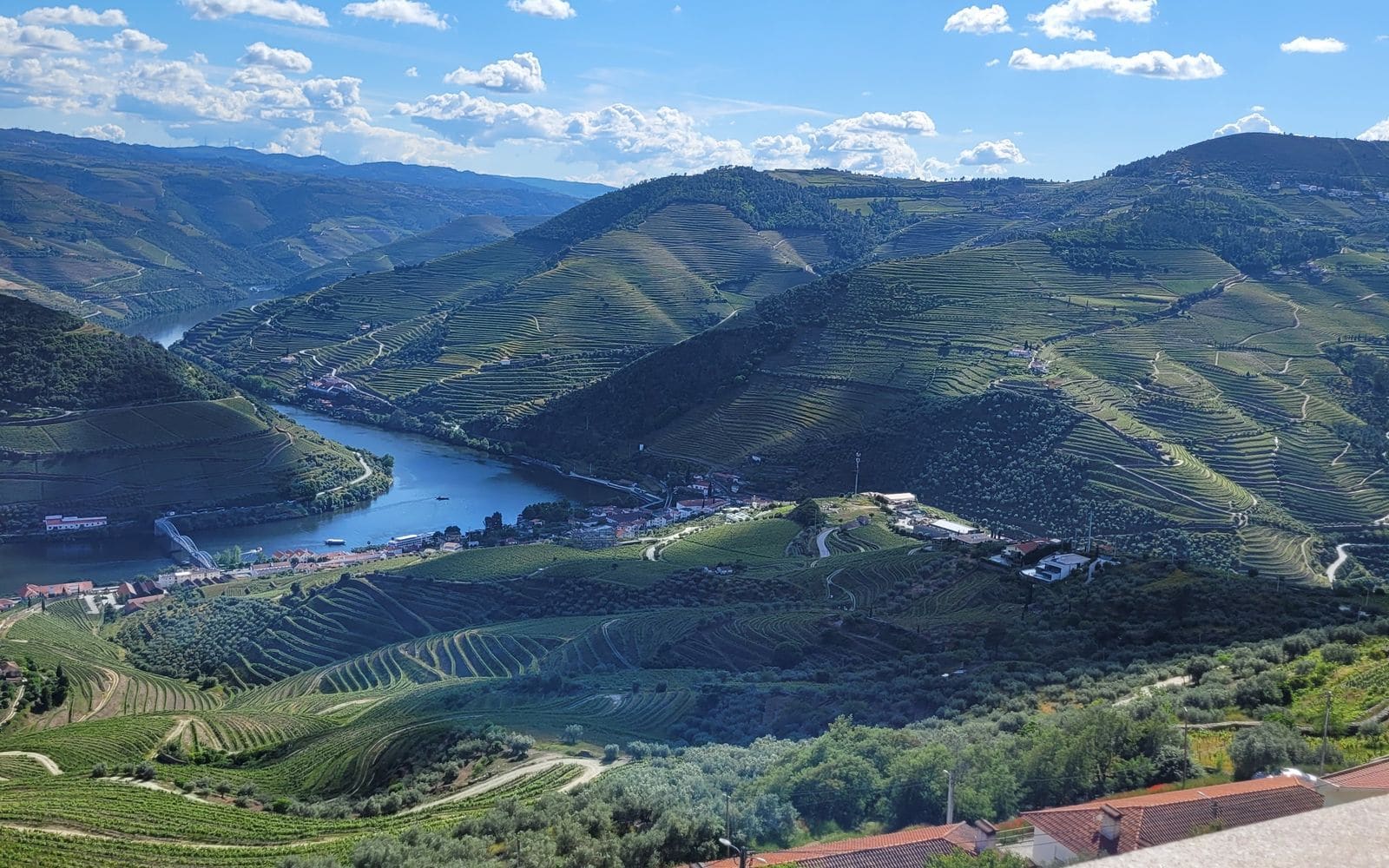
The terraced wine landscape around Régua, Pinhão and São João da Pesqueira is not the same place as the Douro International Natural Park. The protected park lies much farther east where the river forms the border with Spain, while most first-time wine trips stay in the Alto Douro wine region.
Search results often mix the two. Check the municipality, trailhead and return transport before choosing accommodation; a route near Miranda do Douro cannot be treated as a morning activity from Pinhão.
Choose the route before your base
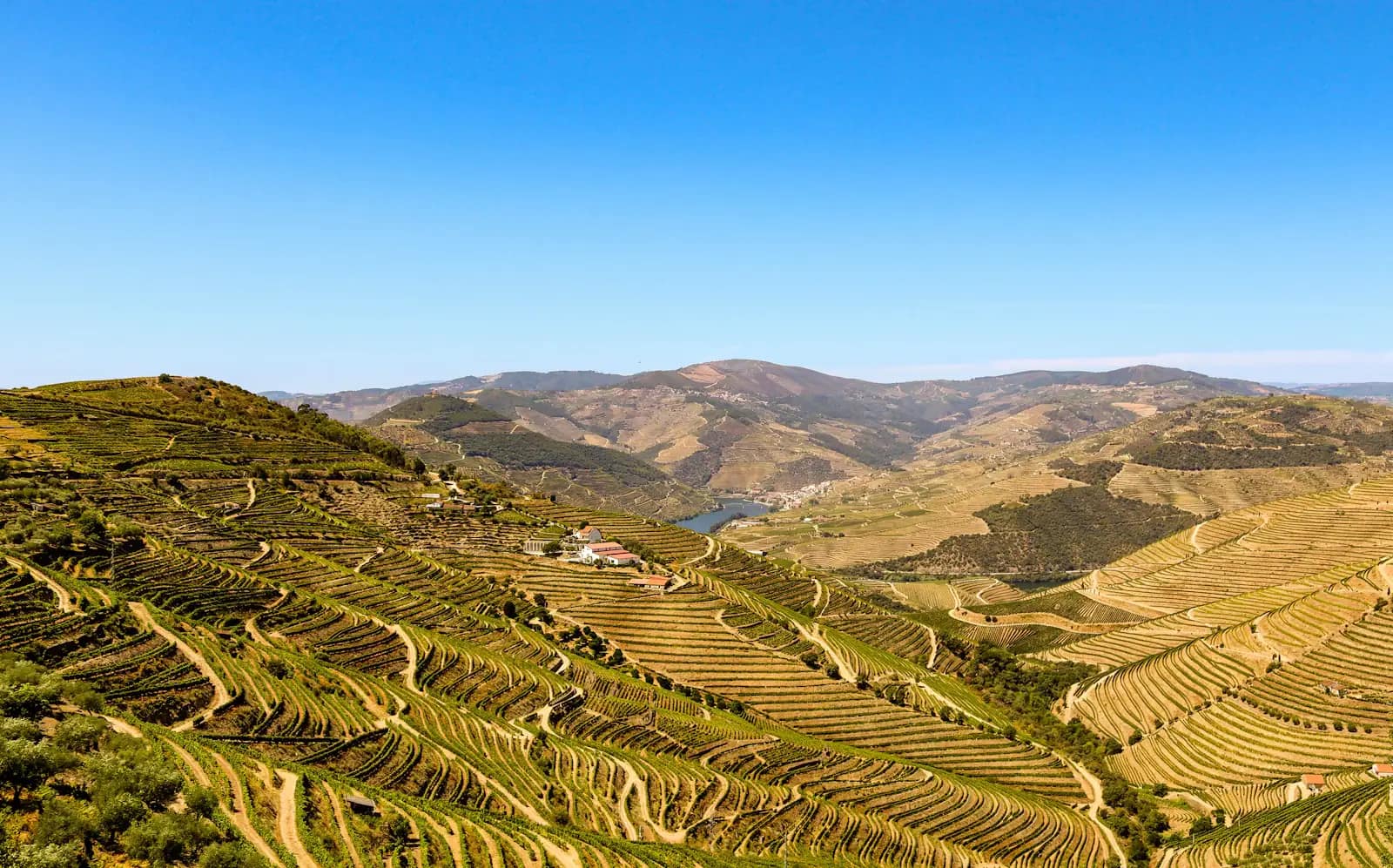
The wine valley is steep, open to the sun and spread across two riverbanks. A route that looks good on a map may include a long road walk, a junction with no sign or a finish far from public transport.
Start with an official council or tourism route. Then check the distance, climb, surface and way back. A short circular walk is often the best first choice.
- Choose a signed or official route
- Check the total climb, not only the distance
- Check whether the route crosses private land
- Download the official route and an offline map
Two routes with official information
The Côa Walkways run from the Côa Museum towards the railway station. Visit Portugal lists 930 metres of walkway and a 160-metre height difference. The route is short, but the return has a steep climb unless you arrange transport.
Alijó council publishes information for the PR13 ALJ Sanfins do Douro to Favaios trail. Use the current council PDF for the route, best season and signs instead of copying an old track from an app.
Heat changes the difficulty
Exposed vineyard slopes can feel much hotter than the riverfront. In warmer months, walk early, carry water and sun protection, and avoid committing to a remote section in the middle of the day.
After rain, stone and earth paths can become slippery. Short winter daylight also makes conservative timing important.
Pinhão and Régua without a car
Both towns offer a useful starting point, but the easiest riverside stroll is not the same as a marked hiking trail. Check gradients carefully: the terraces rise quickly behind the stations.
If a route finishes elsewhere, verify the train or taxi connection before setting out. Mobile coverage should not be your only navigation plan.
Private land and working vineyards
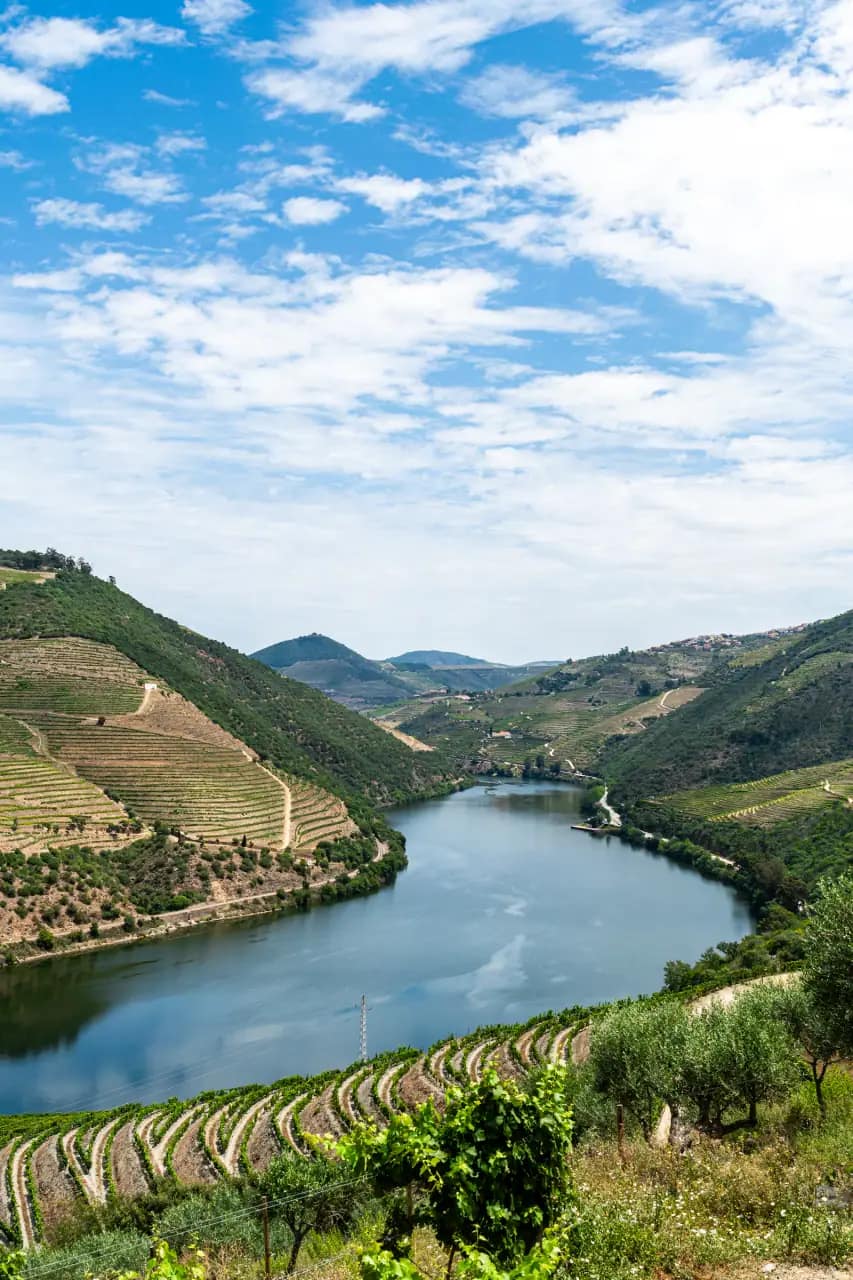
The vineyard is a working landscape, not an open-access trail network. Estate roads may carry tractors, end at a locked gate or cross land where visitors are admitted only with a booking.
Stay on authorised paths, close gates, keep away from machinery and never enter an estate simply because a track looks open. Wear shoes with grip and tell someone your intended route and return time.
When to hire a guide
Use a qualified local guide when the route is remote, navigation is uncertain, transfers are complicated or you want to understand farming and village life without trespassing. A guided walk can also solve a point-to-point transport problem.
A guide does not remove the need to disclose mobility limits or prepare for heat. Confirm route length, total ascent, surface, shade, water provision and cancellation rules before booking a Douro Valley hiking tour.
A simple first plan
Combine one morning walk with lunch and one tasting. Leave extra time for hot weather, stops and possible transport delays.
Check the route status with the local council or tourism office shortly before travelling. Maintenance, fire risk and access restrictions can change conditions.
Frequently asked questions
Can you hike in the Douro Valley without a guide?
Yes on suitable signed routes, provided you verify access, navigation, conditions and transport. Use a guide for remote or uncertain terrain.
What is the best season for walking?
Spring and autumn usually offer more comfortable temperatures, but current weather and trail status matter more than the calendar.
Are vineyard tracks public?
Not necessarily. Use marked routes and respect gates, signs and private property.
Our pick
Book a Douro Valley experience
 1 / 3
1 / 3From Porto: Douro Valley with Boat Tour, Wine Tasting & Lunch
Wine experience. Duration: 7–10 hours. Departure: Porto.
Price checked on 3 September 2026. Confirm the live total for your date.
Fresh from the valley