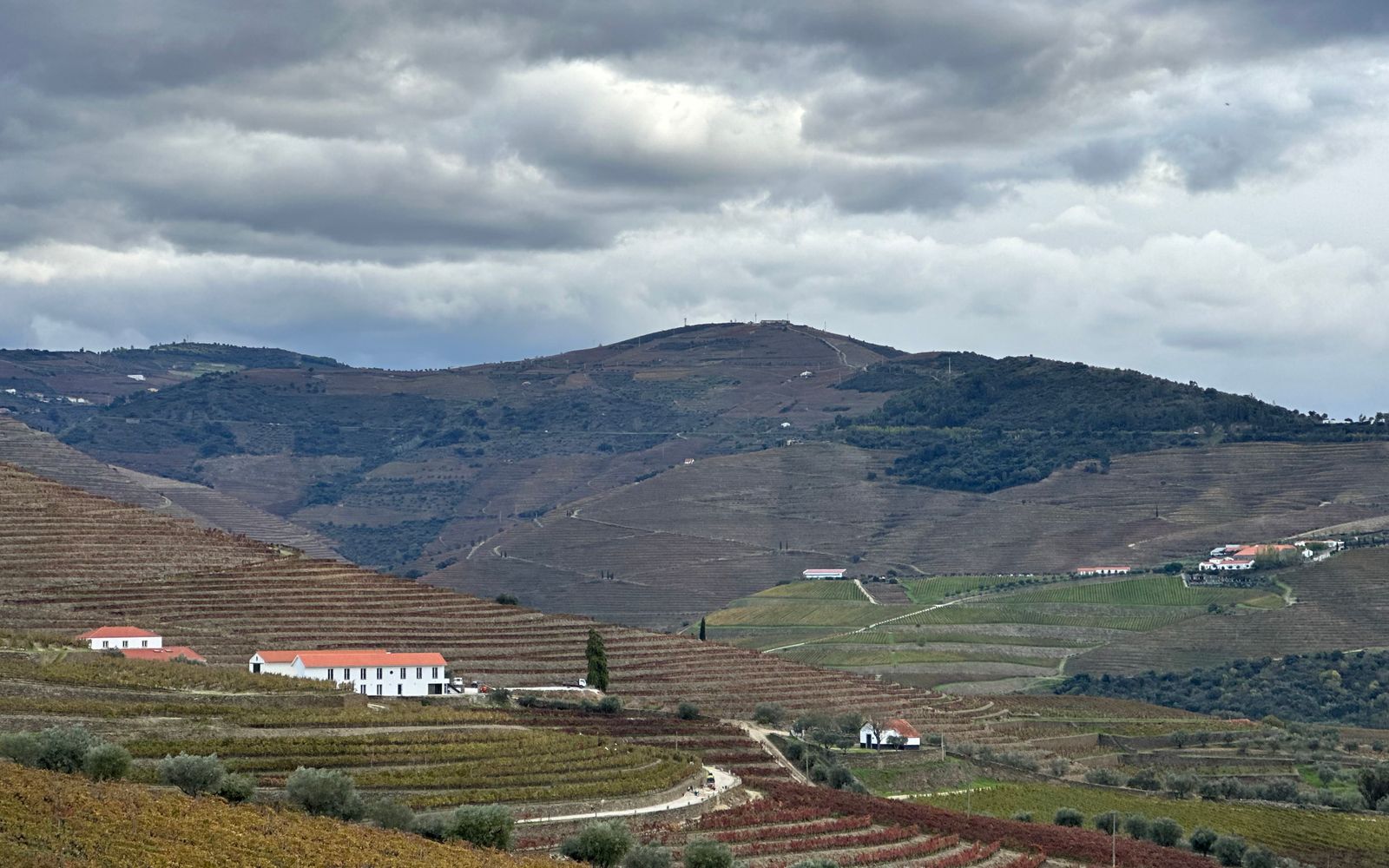
Driving gives the best access to viewpoints and remote estates, but roads are narrow, winding and slower than map estimates suggest. Use a designated driver, limit the number of stops and avoid arriving on unfamiliar rural roads after dark.
What driving is really like
Main approaches are manageable for confident drivers, but estate roads can become steep, narrow and exposed. Local traffic may move quickly, while visitors slow for views.
Treat map times as a minimum. Add margin for bends, villages, slow vehicles and finding a safe place to park.
Keep the route short
Choose one area and two or three good stops. A route around Régua and Pinhão is better than racing across distant parts of the valley.
Use viewpoints with proper parking. Never stop on a bend or block an estate entrance for a photograph.
- Start with a full tank
- Download offline maps
- Keep the route short
- Arrive before dark
- Confirm winery parking
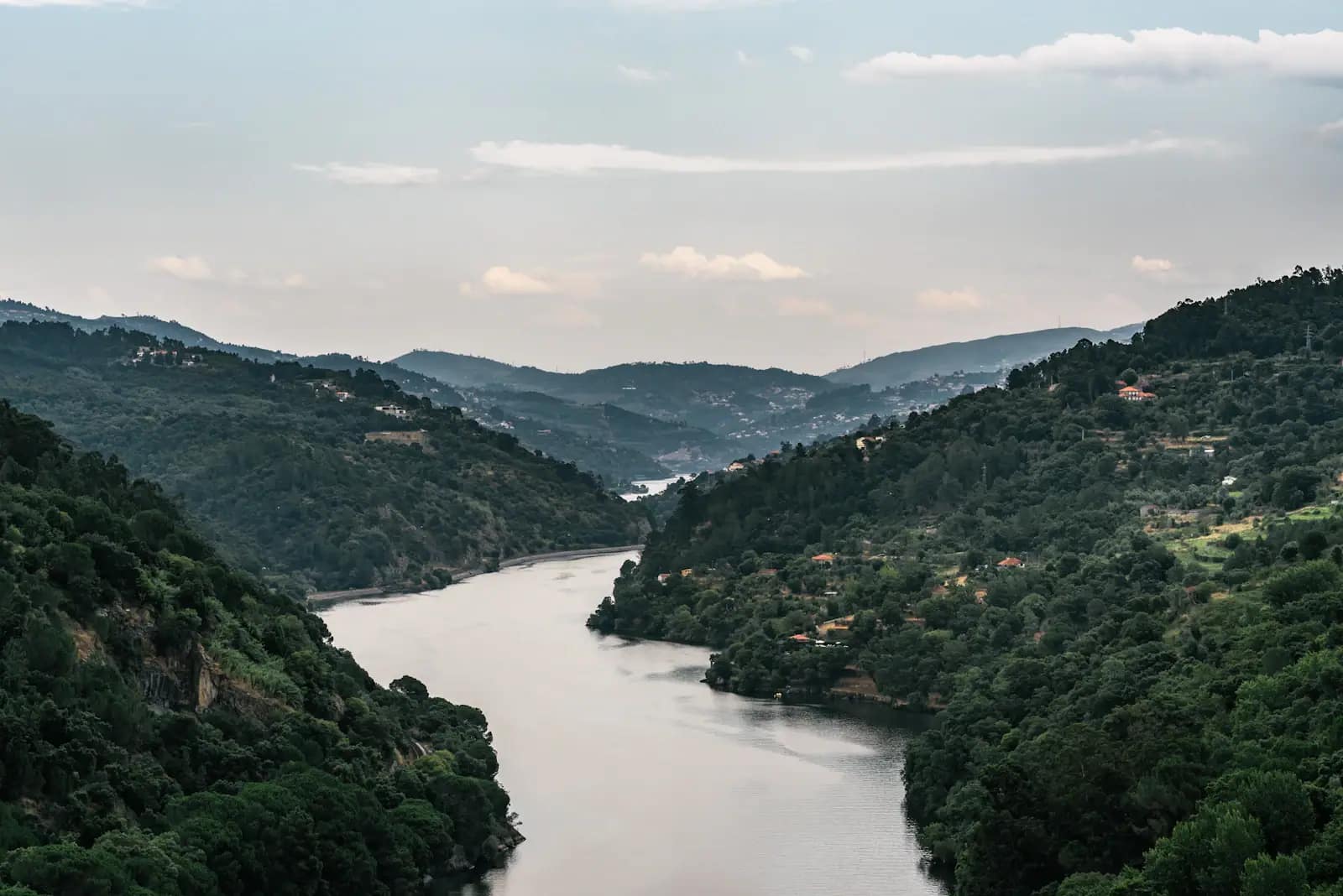
Plan Douro Valley viewpoints safely
Visit Portugal identifies São Leonardo da Galafura near Régua, Casal de Loivos above Pinhão and São Salvador do Mundo near São João da Pesqueira among the region's established viewpoints. They belong to different routes; choosing one that fits your day is safer than chasing all three.
Check the current road approach and use designated parking or a clearly established stopping area. Never stop on a blind bend, narrow bridge, estate entrance or unprotected shoulder, even if a navigation app marks the view nearby.
Wine and driving
A rental car does not make a tasting itinerary automatically cheaper or easier. Portugal's drink-driving rules are strict, and mountain roads demand full attention.
Choose a designated driver, use spittoons or book a driver for the wine-focused day. The safest plan is the one that removes negotiation after the first tasting.
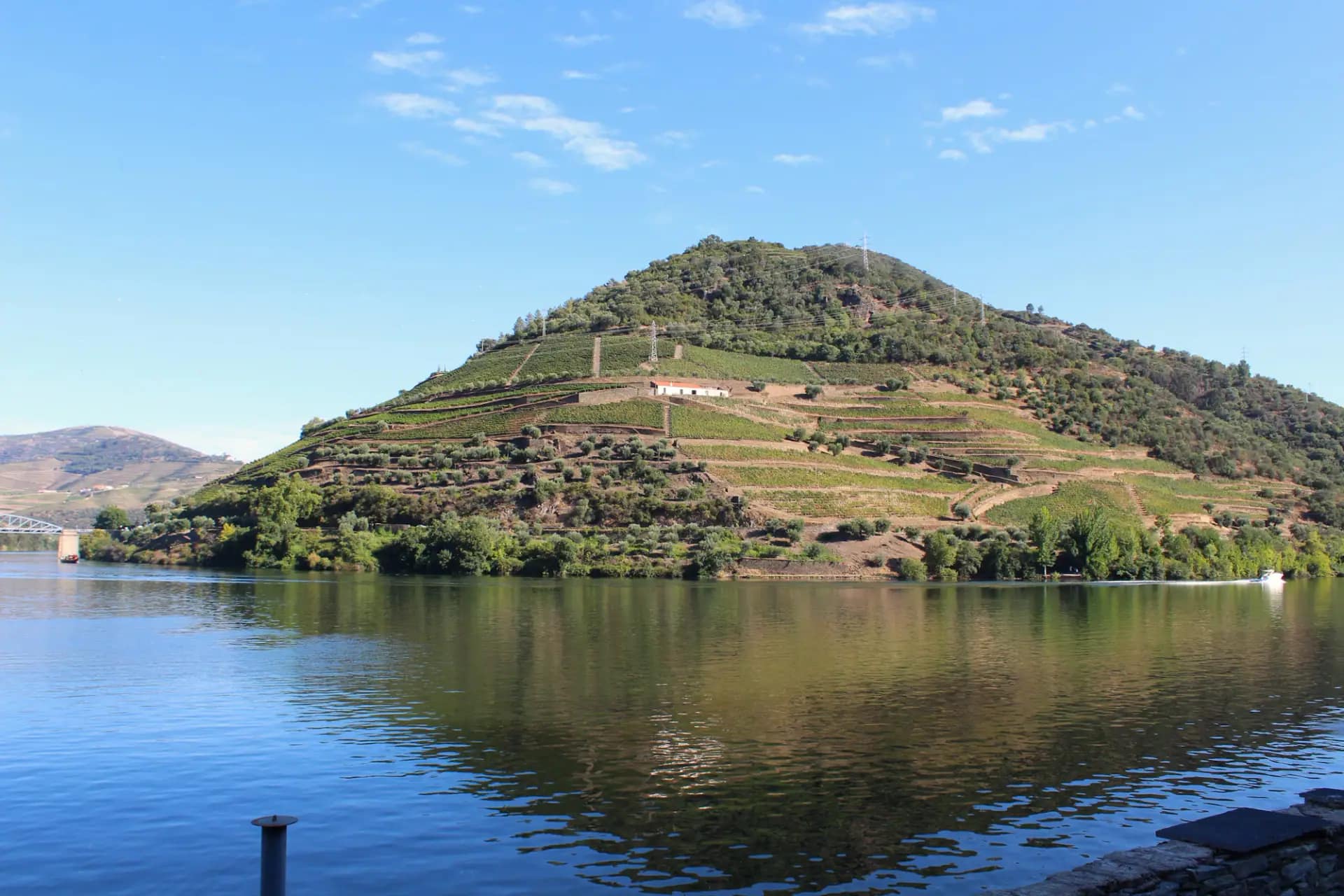
Parking and rental details
A compact car is easier on narrow approaches. Check the rental's toll policy, fuel terms and insurance, and photograph the vehicle before departure.
Park in marked areas and respect private property. In towns, leave the car once and explore the centre on foot rather than moving it for every stop.
When not to drive
Choose the train or a tour if nobody wants to abstain from wine, if winding roads cause anxiety or if the weather is poor. A private driver gives you flexibility without the responsibility.
Driving is best for access and photography, not for maximising tastings. If you prefer two wheels, read the cycling guide before choosing a route.
Frequently asked questions
Is driving in the Douro Valley difficult?
Main routes are manageable, but smaller roads can be narrow, steep and winding. Allow extra time.
Do I need a car in the Douro Valley?
No for a focused Pinhão trip or guided tour. A car helps with remote estates and viewpoints.
Can I drive between winery tastings?
Use a designated driver or professional transport. Do not plan around guessing whether you are under a legal limit.
Our pick
Book a Douro Valley experience
 1 / 3
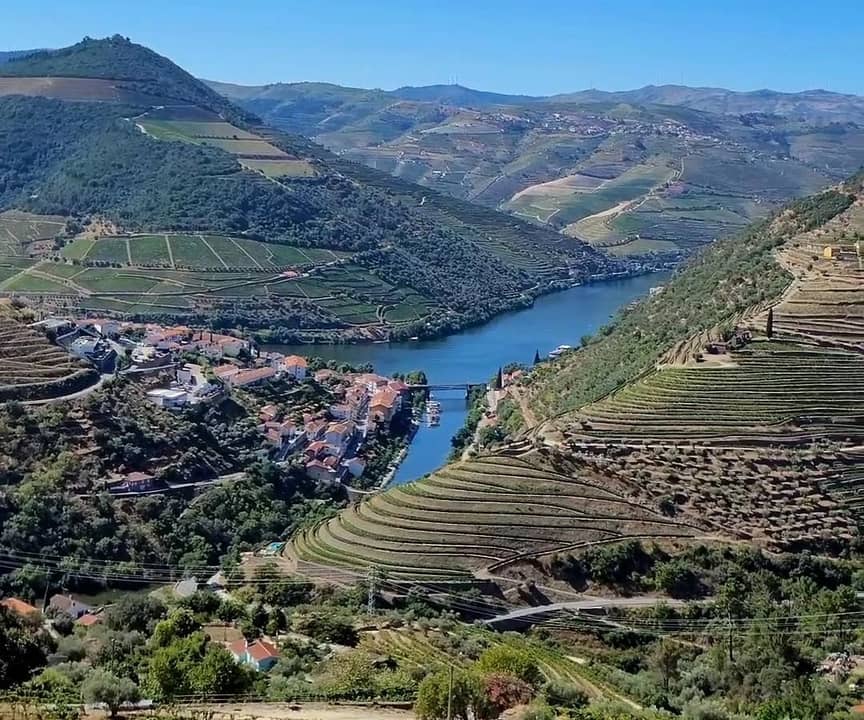
1 / 3From Porto: Douro Valley with Boat Tour, Wine Tasting & Lunch
Wine experience. Duration: 7–10 hours. Departure: Porto.
Price checked on 3 September 2026. Confirm the live total for your date.
Fresh from the valley