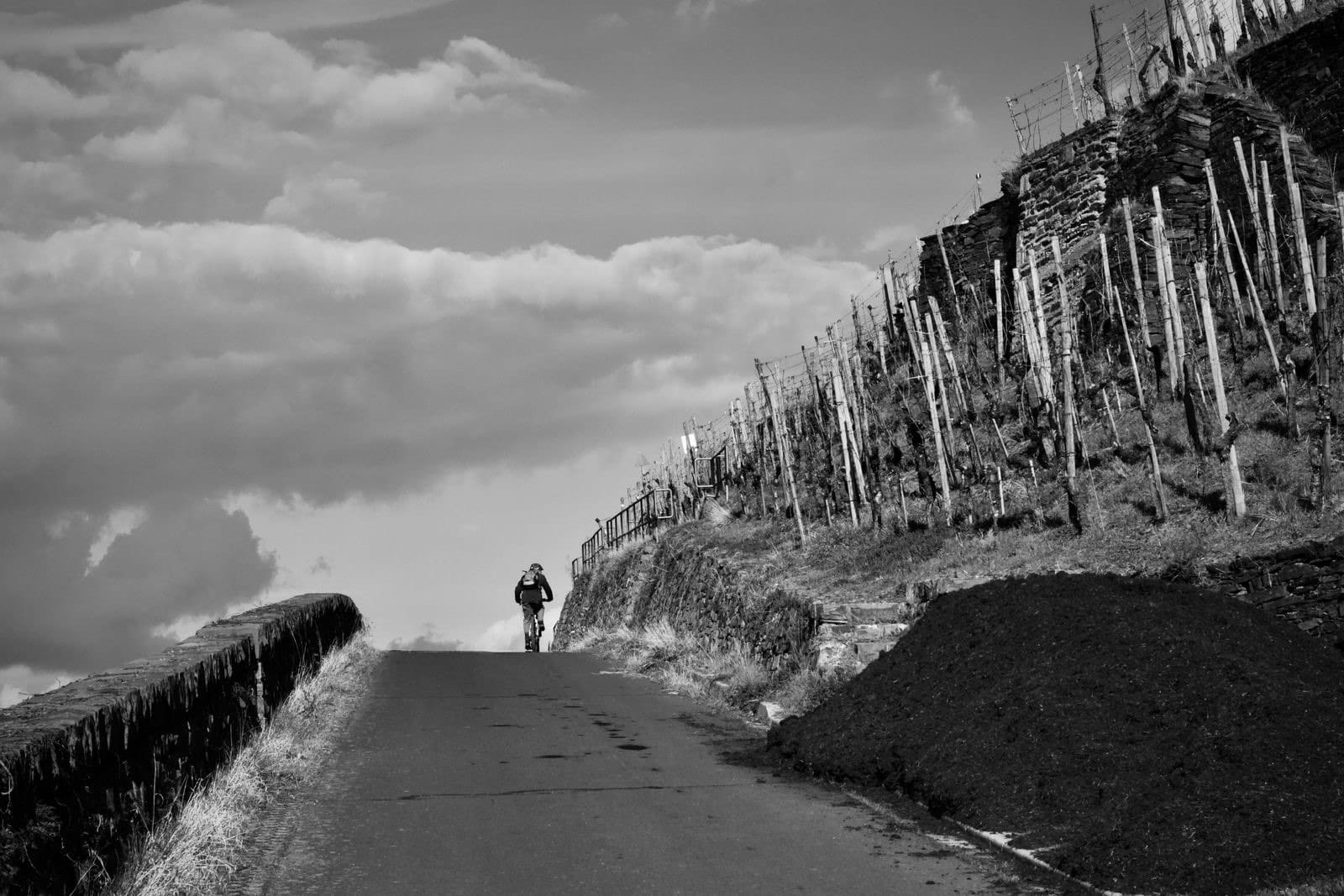
Cycling in the Douro Valley is best for confident riders or travellers using an e-bike with local support. Expect long climbs, heat, narrow roads and limited shade. For a first ride, choose a guided half-day route or an official traffic-free trail instead of building a road loop from a map.
Is the Douro good for cycling?
Yes, but it is not an easy place to improvise. The river sits below steep vineyard slopes, so even short routes can include a lot of climbing. Main roads may carry local traffic, tour vans and farm vehicles.
Experienced road cyclists can enjoy the climbs and views. Casual riders should choose an e-bike, a guide or a flatter official route. A distance that feels easy at home can be much harder in summer heat.
Choose the right type of ride
A guided half-day ride is the simplest introduction. The operator can match the route to your fitness, provide a suitable bike and arrange a pickup if the group needs to stop early.
A self-guided road ride suits experienced cyclists who can handle descents, navigation and basic repairs. A traffic-free trail is the safer choice for families and riders who do not want to share narrow roads.
- Guided ride: best for a first visit
- E-bike: useful for long vineyard climbs
- Road cycling: for confident riders
- Official eco-trail: better for a quieter surface
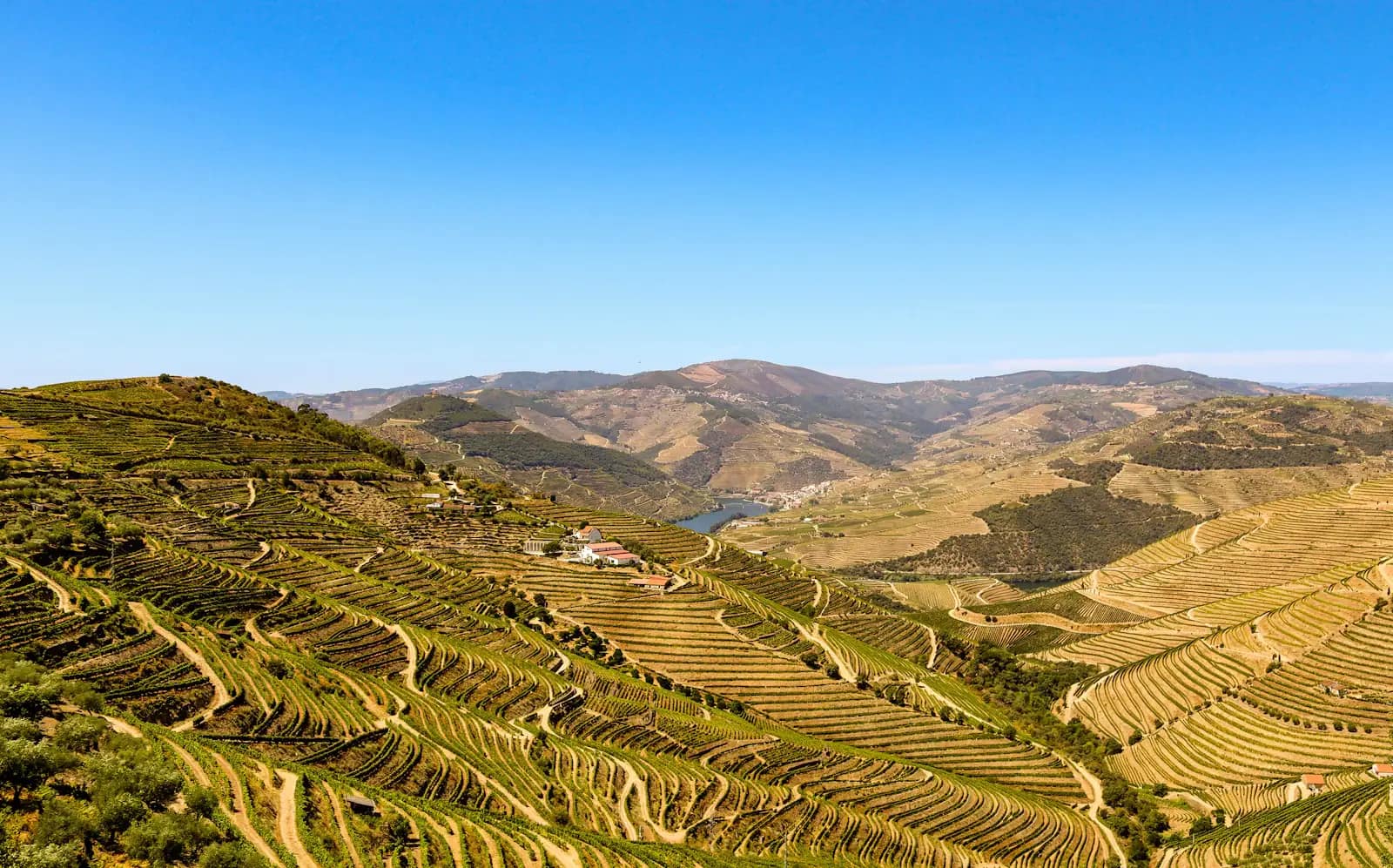
A practical official option
CP highlights the Sabor Eco-Trail for cycling trips linked to the Douro Line. The full route uses the former Sabor railway and runs for about 34 kilometres between the Pocinho area and Carviçais, with signed sections and reused railway buildings.
This is in the Douro Superior, far east of Pinhão and Régua. Treat it as a separate day or overnight plan. Check the current trail condition, bike rental, return transport and the exact section you intend to ride.
Can you take a bike on the train?
CP allows bicycles on many services, but the conditions depend on the train. On Regional and InterRegional trains, carriage is subject to available space and the conductor can refuse a bike if the train is too busy. Some services also have specific restrictions.
Each passenger is responsible for loading and unloading the bike. Use the marked carriage, keep doors and aisles clear, and check the current CP bicycle rules before travelling. Groups should contact CP in advance.
E-bike or regular bike?
Choose an e-bike if you want the scenery without turning every village road into a fitness test. Ask about battery range, motor support, bike weight, helmet, repair kit and roadside help. A low battery at river level can leave a very long climb back to the hotel.
A regular road or gravel bike works for fit riders who know the surface and total climb. Do not choose only by distance. Ask for the elevation profile and the steepest section before booking or downloading a route.
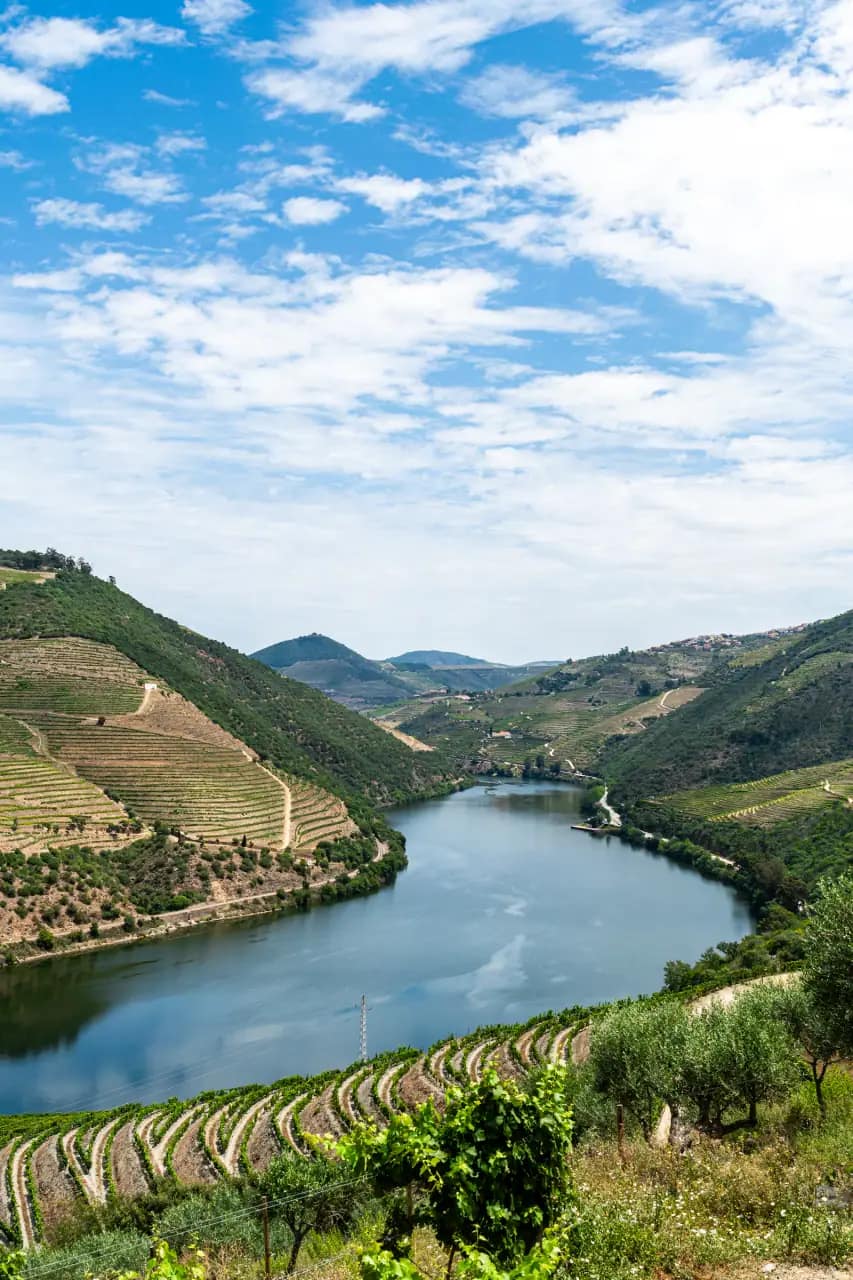
Heat and road safety
Start early in warm months. Carry more water than you expect to use, sun protection, a charged phone and a basic repair kit. Tell someone the route and expected return time.
Wear a helmet and visible clothing. Use lights in shade or poor weather, control speed on descents and never stop on a blind bend for a photograph. Avoid wine tasting during a road ride and save it for after the bike is returned.
What to check before booking a bike tour
Ask for the distance, total climb, surface, bike type, maximum group size and support vehicle. Confirm whether hotel pickup, water, helmet, insurance and lunch are included.
Also ask what happens in extreme heat, rain or smoke. The operator should be able to explain the route without vague labels such as easy or moderate. Give an honest account of your fitness and cycling experience.
- Distance and total ascent
- Road, gravel or traffic-free surface
- E-bike model and battery range
- Guide and support vehicle
- Helmet, water and repair equipment
- Weather and cancellation policy
Frequently asked questions
Do you need an e-bike in the Douro Valley?
Not if you are a fit cyclist, but an e-bike makes the long climbs more manageable for most visitors.
Can I take a bicycle on the Douro train?
Often yes, subject to CP's current rules and available space. Check the service and speak to the conductor before boarding.
Is cycling in the Douro Valley safe?
It can be safe with a suitable route and preparation. Narrow roads, heat, steep descents and traffic make guided or official routes the better first choice.
Our pick
Book a Douro Valley experience
 1 / 3
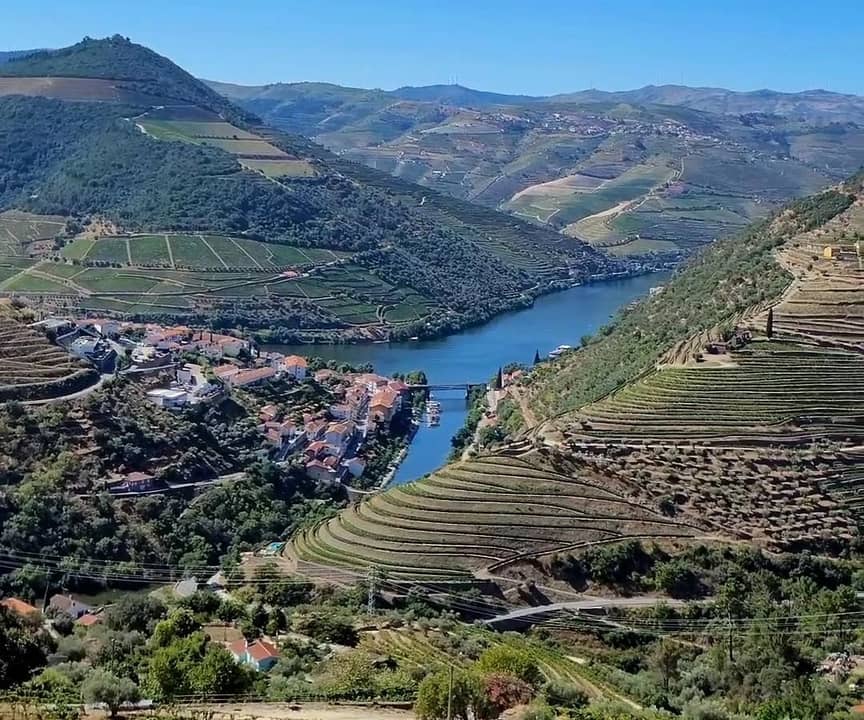
1 / 3From Porto: Douro Valley with Boat Tour, Wine Tasting & Lunch
Wine experience. Duration: 7–10 hours. Departure: Porto.
Price checked on 3 September 2026. Confirm the live total for your date.
Fresh from the valley